How Cocoa Powder pH Affects Flavor, Color, and Application
Cocoa powder is an essential ingredient in the food and beverage industry, used in applications ranging from chocolate drinks and bakery products to confectionery and dairy formulations. While factors such as fat content and color are often discussed, pH level plays a crucial role in determining how cocoa powder performs in different industrial uses.
What Is pH Level in Cocoa Powder?
pH level measures the acidity or alkalinity of a substance on a scale of 0 to 14. Cocoa powder naturally contains acids developed during cocoa bean fermentation, which give it its characteristic chocolate flavor.
- pH below 7: acidic
- pH 7 and above: neutral to alkaline
In cocoa powder, pH affects taste, color intensity, solubility, and compatibility with other ingredients.
Natural Cocoa Powder and Its pH Level
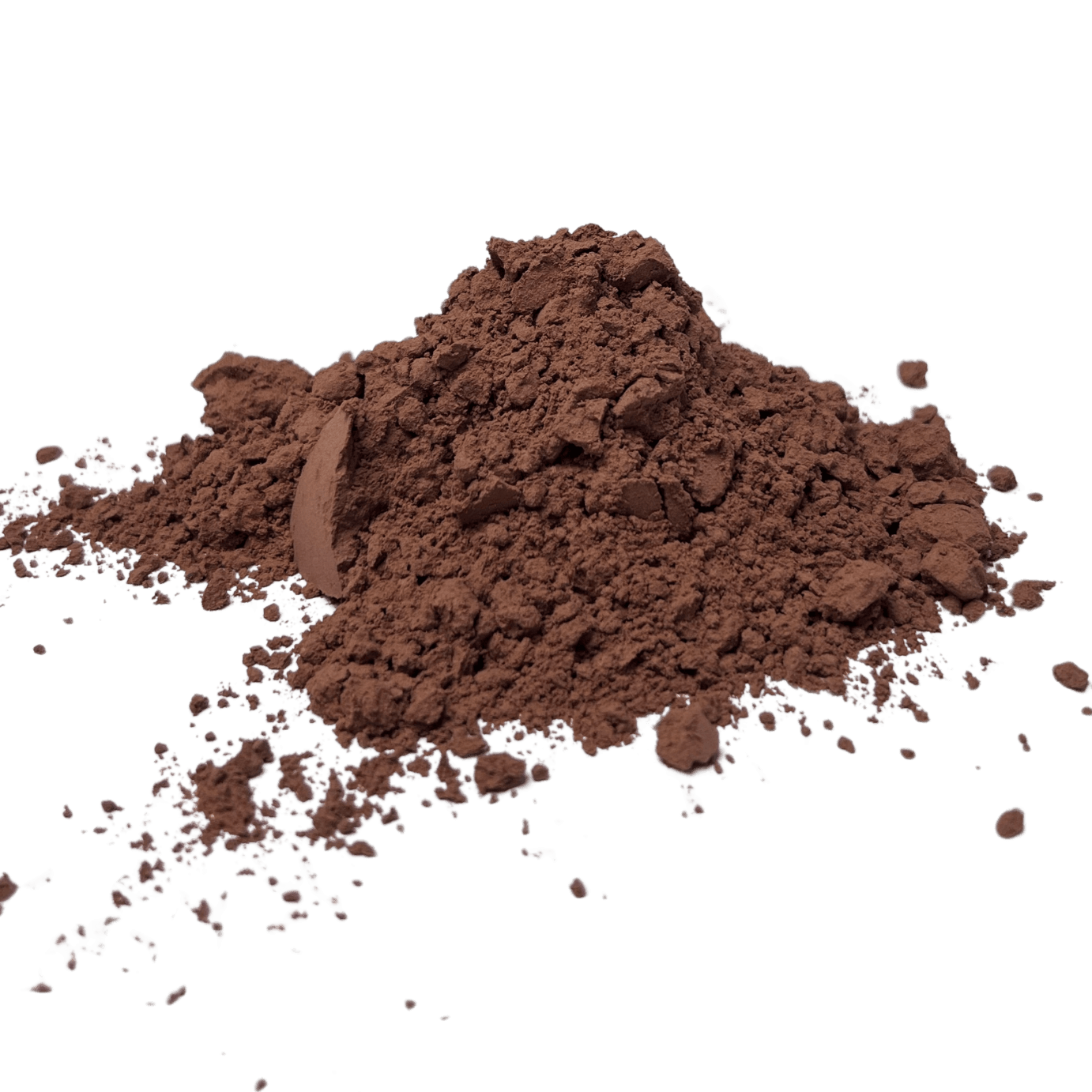
Natural cocoa powder typically has a pH range of 5.0 to 6.7, making it mildly acidic. This acidity results in a stronger cocoa aroma and a sharper, more intense chocolate flavor.
Key characteristics of natural cocoa powder:
- Lighter brown color
- Strong cocoa taste
- Higher acidity
- Authentic cocoa flavor profile
Natural cocoa powder is commonly used in bakery applications, especially recipes that rely on baking soda for leavening, as the acidity helps activate the rising process.
Alkalized Cocoa Powder and Its pH Level
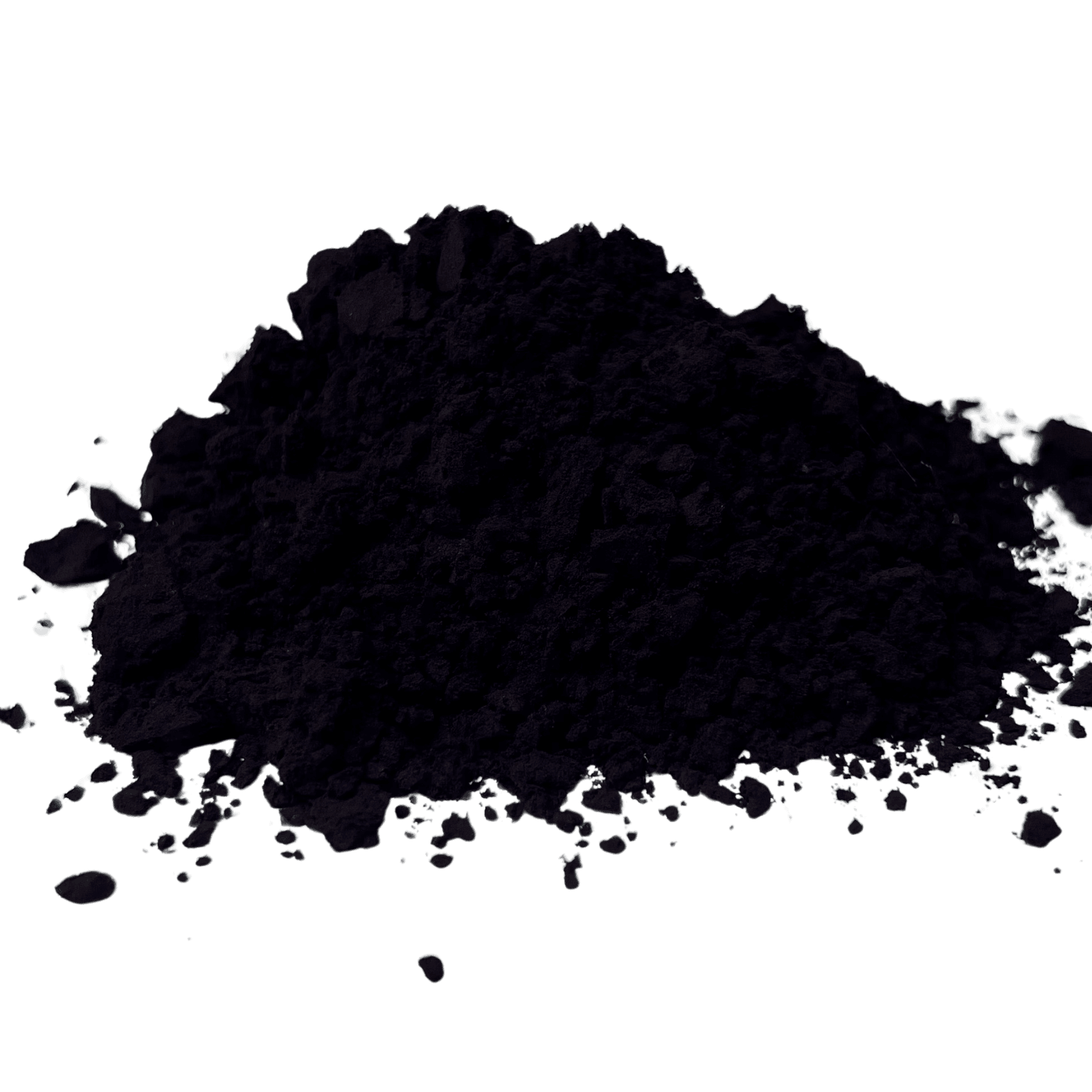
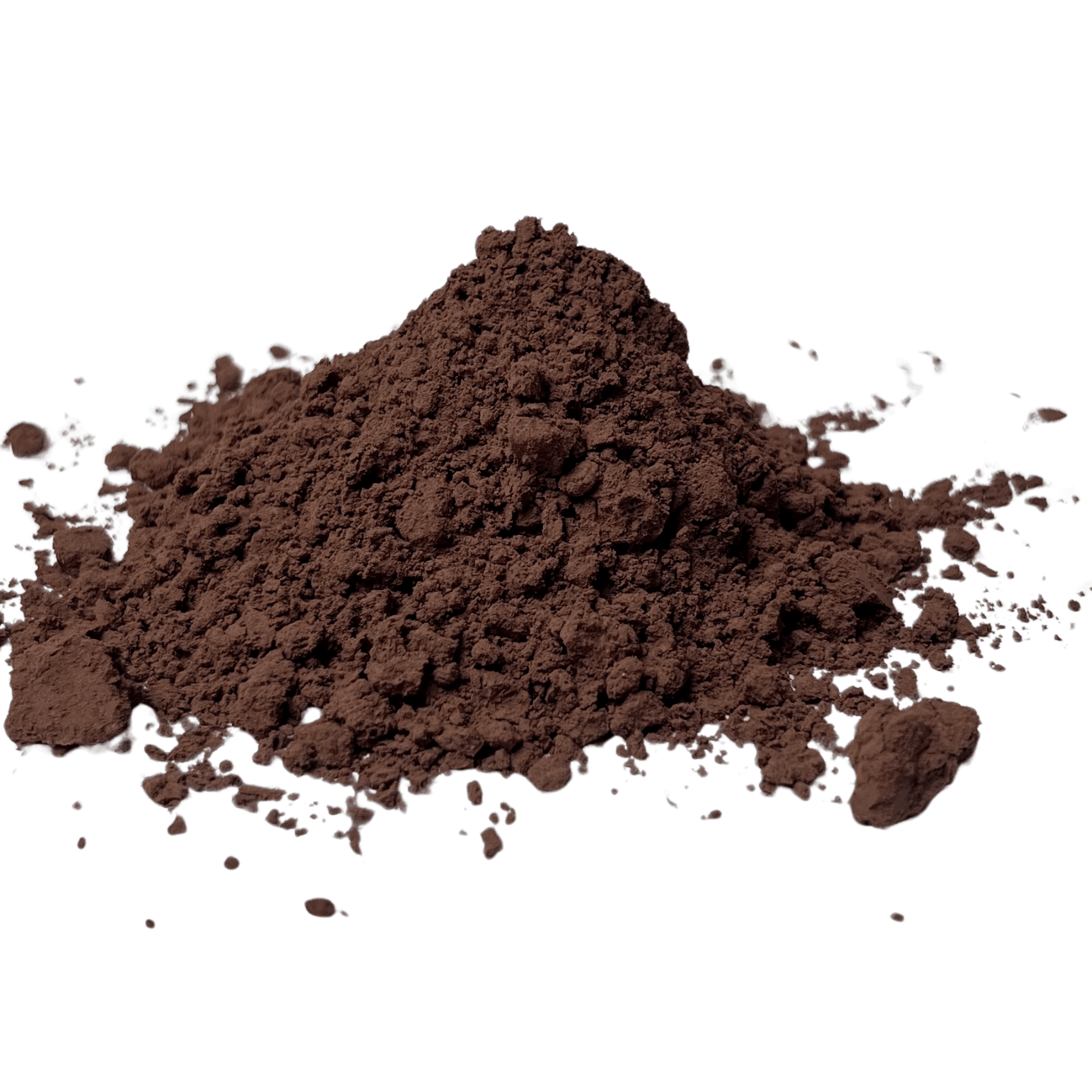
Alkalized cocoa powder, also known as Dutch-processed cocoa powder, usually has a pH range of 6.8 to 7.2. Through alkalization, cocoa powder becomes less acidic, resulting in a smoother taste and darker color.
Key characteristics of alkalized cocoa powder:
- Darker brown or dark cocoa color
- Milder bitterness
- Improved solubility
- Balanced chocolate flavor
This type of cocoa powder is widely used in beverages, dairy products, ice cream, and industrial drink mixes where smooth taste and consistent color are required.
How pH Level Affects Industrial Applications
pH level directly influences how cocoa powder behaves during processing and in the final product.
- Flavor: Lower pH delivers sharper cocoa notes, while higher pH creates a smoother taste.
- Color: Higher pH results in darker cocoa powder, preferred in chocolate beverages and confectionery.
- Solubility: Alkalized cocoa powder dissolves more easily, especially in liquid-based applications.
Because of these factors, manufacturers carefully select cocoa powder based on pH requirements to ensure product consistency.
Choosing the Right Cocoa Powder pH for Your Product
- Bakery products: Natural cocoa powder
- Chocolate drinks & dairy: Alkalized cocoa powder
- Ice cream & confectionery: Alkalized cocoa powder
- Traditional chocolate flavor: Natural cocoa powder
Selecting the correct pH level helps optimize taste, appearance, and processing efficiency.
Why pH Consistency Matters for B2B Buyers
For importers and food manufacturers, consistent pH levels ensure stable production, uniform color, and reliable flavor across batches. A trusted cocoa powder supplier should be able to offer controlled pH ranges and customized specifications based on application needs.
Conclusion
Cocoa powder pH level is a key factor that influences flavor, color, and performance in food and beverage applications. By understanding the differences between natural and alkalized cocoa powder, manufacturers and importers can make informed decisions and achieve consistent, high-quality results.
Choosing the right cocoa powder pH is not just a technical detail—it is a strategic decision for successful production.