Understanding the Importance of pH in Cocoa Powder
In the cocoa industry, quality is not defined by flavor and color alone. In fact, one technical factor that plays a critical role—yet is often overlooked—is pH level. At EMPU, we consider pH an essential parameter because it directly influences how cocoa powder performs across different applications, including bakery, confectionery, beverages, and industrial formulations.
Moreover, the pH of cocoa powder affects taste, color, solubility, formulation behavior, and overall product consistency. Therefore, understanding pH differences helps manufacturers and buyers select the most suitable cocoa powder for their specific needs.
What Is pH and Why Does It Matter?
pH is a measurement of acidity or alkalinity on a scale from 0 to 14. Generally, a pH below 7 is considered acidic, while a pH above 7 is alkaline.
In cocoa powder, pH influences several key characteristics. For example, it affects flavor profile, color intensity, chemical reactions during processing, and solubility in liquids. In addition, it plays a crucial role in maintaining batch-to-batch consistency in large-scale production.
Because of this, EMPU always includes pH values in our Technical Data Sheets (TDS) and Certificates of Analysis (COA). As a result, our global customers benefit from full transparency and reliable product performance.
Common pH Ranges in Cocoa Powder
Cocoa powder is generally classified into two main categories based on pH. On one hand, natural cocoa powder has a lower pH. On the other hand, alkalized cocoa powder has a higher pH due to processing.
- Typical pH: 5.0 – 6.0
- Naturally acidic
- Not alkalized
Alkalized (Dutch-Processed) Cocoa Powder
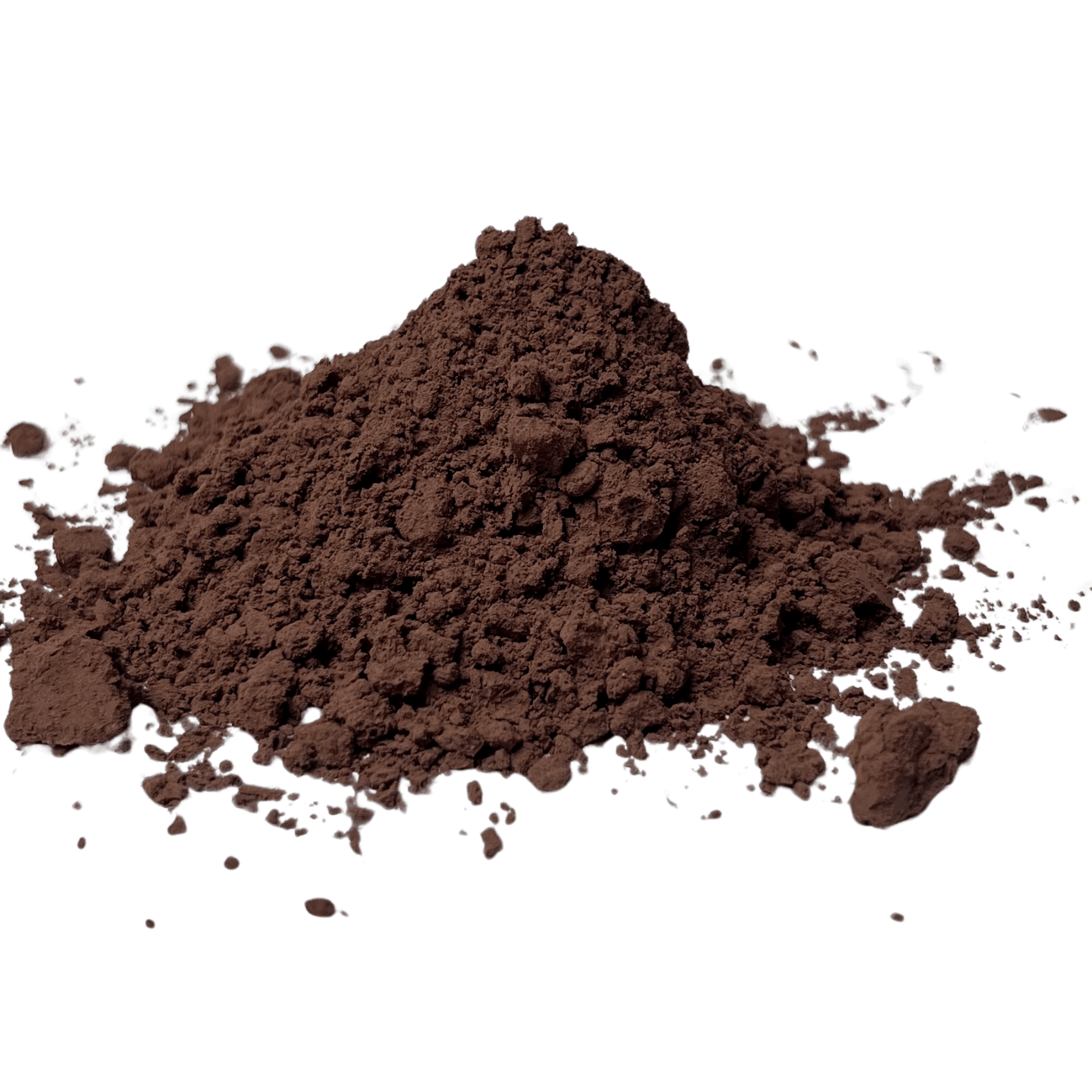
- Typical pH: 6.8 – 8.5
- Treated with an alkaline solution
- Milder taste and darker color
Furthermore, EMPU offers customized pH levels such as 7.2, 7.6, or 8.0. This flexibility allows buyers to match cocoa powder specifications with their exact application requirements.
Natural Cocoa Powder: Authentic Flavor
Natural cocoa powder retains the original acidity of cocoa beans since it does not undergo alkalization. As a result, it delivers a more authentic cocoa experience.
Key Characteristics
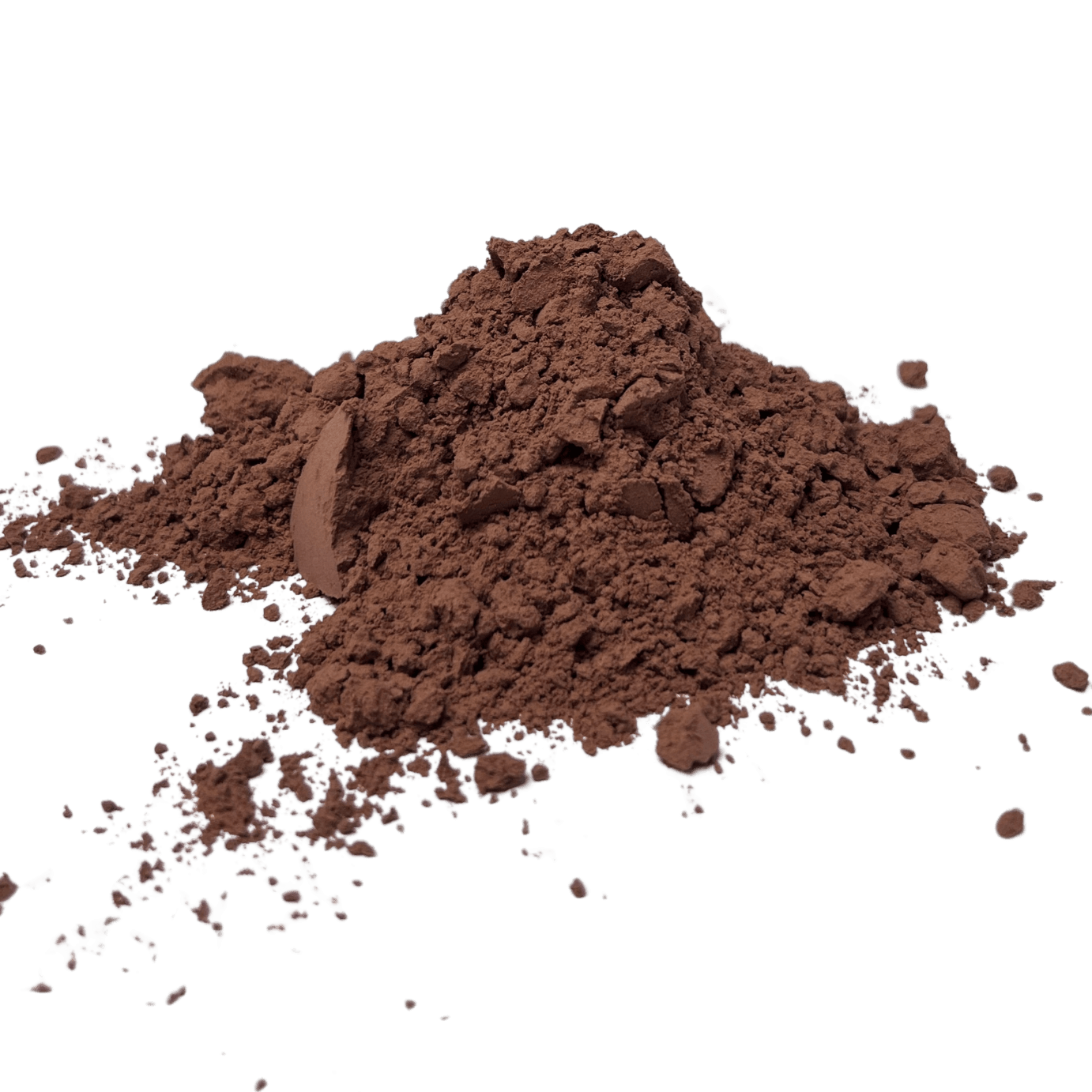
- Light brown to reddish color
- Bold and slightly acidic taste
- Strong cocoa aroma
- Higher levels of natural flavonoids and antioxidants
Functional Performance
Due to its lower pH, natural cocoa powder reacts effectively with baking soda. Consequently, this reaction produces carbon dioxide, which helps baked goods rise and achieve a lighter texture.
Typical Applications
- Cakes, brownies, and cookies
- Traditional bakery products
- Health-focused foods
- Products emphasizing natural cocoa flavor
For this reason, many brands prefer natural cocoa powder when authenticity and nutritional value are priorities.
Alkalized Cocoa Powder: Smooth and Stable
Alkalized cocoa powder, also known as Dutch-processed cocoa, is treated with alkaline agents to neutralize acidity. As a result, it offers a smoother taste and improved functionality.
Key Characteristics
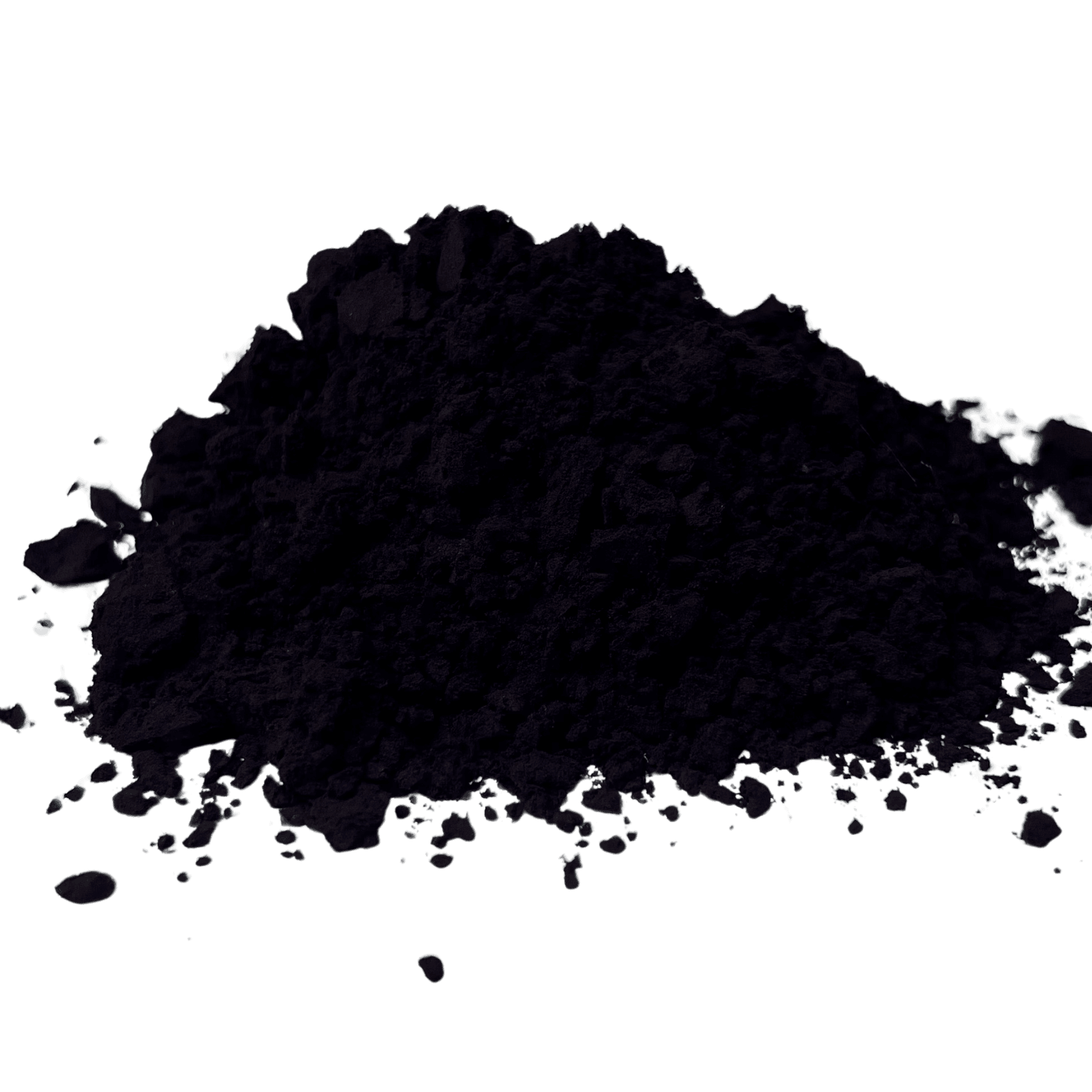
- Dark brown to deep black color
- Smooth and mellow flavor
- Neutral to alkaline pH
- Excellent solubility
Benefits of Alkalization
The alkalization process provides several advantages. Firstly, it reduces acidity and bitterness. Secondly, it ensures more consistent flavor across batches. Additionally, it enhances color intensity and improves dispersion in beverages.
Although some flavonoid content may decrease, alkalized cocoa powder delivers superior processing stability. Therefore, it is highly suitable for large-scale manufacturing.
How pH Affects Final Product Performance
Flavor Profile
Lower pH results in a sharper, more intense cocoa taste. In contrast, higher pH creates a smoother and more balanced flavor.
Color Development
Natural cocoa produces lighter brown tones. Meanwhile, alkalized cocoa provides darker and richer shades.
Leavening Interaction
Natural cocoa works well with baking soda. Conversely, alkalized cocoa performs better with baking powder or neutral systems.
Solubility and Stability
Cocoa powder with higher pH dissolves more easily. As a result, it performs better in instant beverages and ready-to-drink products.
pH Standards in Export Market
In international trade, cocoa powder is commonly categorized by pH range. For instance:
- pH 5.0 – 5.5 → Natural Cocoa Powder
- pH 6.8 – 7.2 → Light Alkalized
- pH 7.6 – 8.0 → Medium Alkalized
- pH 8.0 – 8.5 → Strong Alkalized
At EMPU, each product is supported by complete documentation. Specifically, we provide COA, MSDS, and Halal certification to meet global buyer requirements.
Nutritional Considerations
pH levels also influence nutritional value. In general, natural cocoa powder retains more antioxidants. However, alkalized cocoa powder offers better functional performance.
Therefore, the ideal choice depends on product positioning. Brands focused on wellness tend to select lower-pH cocoa. Meanwhile, beverage and confectionery manufacturers often prefer higher-pH cocoa for consistency and ease of use
How EMPU Supports the Right Selection
At EMPU, we work closely with customers to determine the most suitable cocoa powder. In particular, we consider application type, desired flavor, color, and processing requirements.
Additionally, we evaluate leavening systems, regulatory standards, and technical specifications. Through this approach, we ensure that every product performs consistently in real production environments
Conclusion
Cocoa powder pH is far more than a technical detail. Instead, it is a key factor that shapes flavor, color, stability, and application performance.
Natural cocoa powder offers bold flavor and higher antioxidant content. On the other hand, alkalized cocoa powder provides smoother taste, darker color, and better processing stability.
As an Indonesian cocoa processor and exporter, EMPU is committed to delivering consistent and customizable cocoa powder. Ultimately, our goal is to help partners create high-quality products that meet international standards and market expectations.